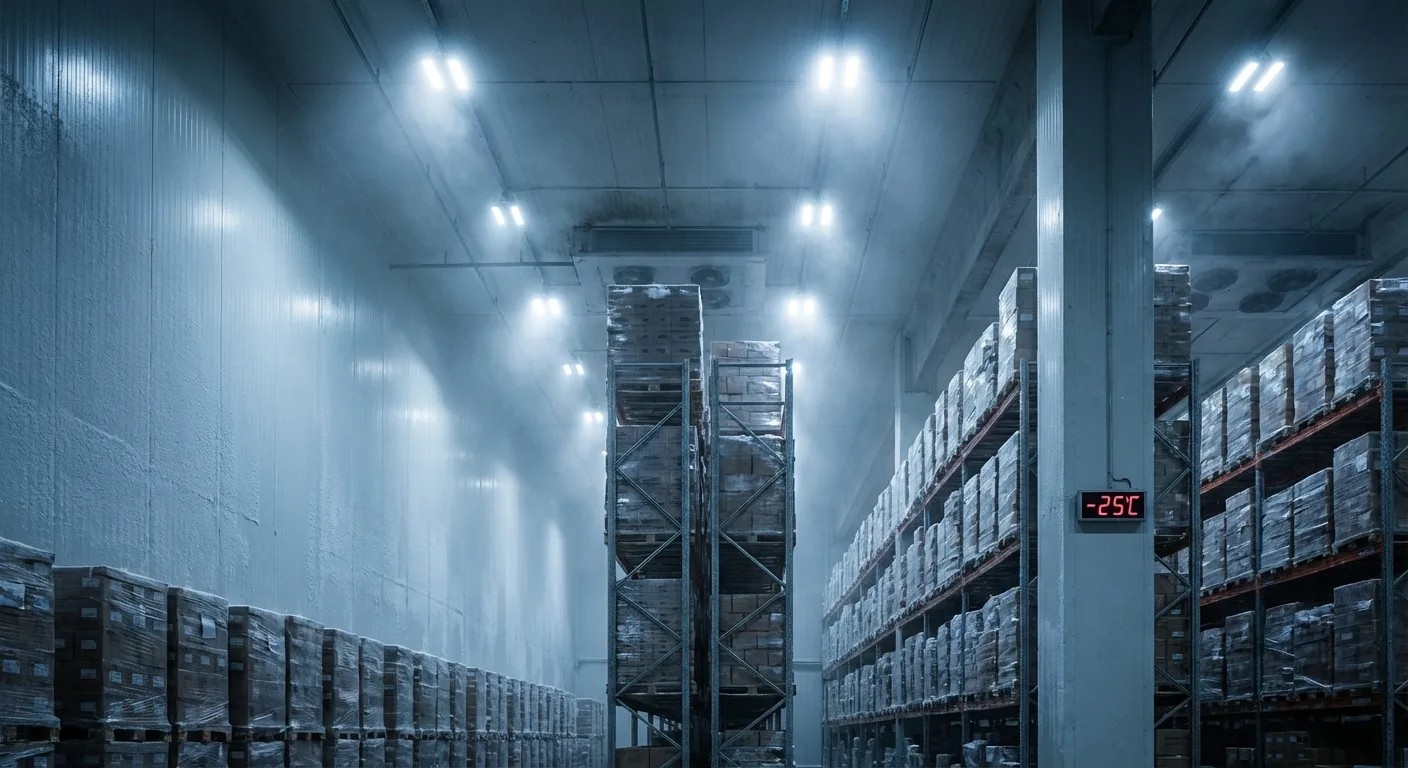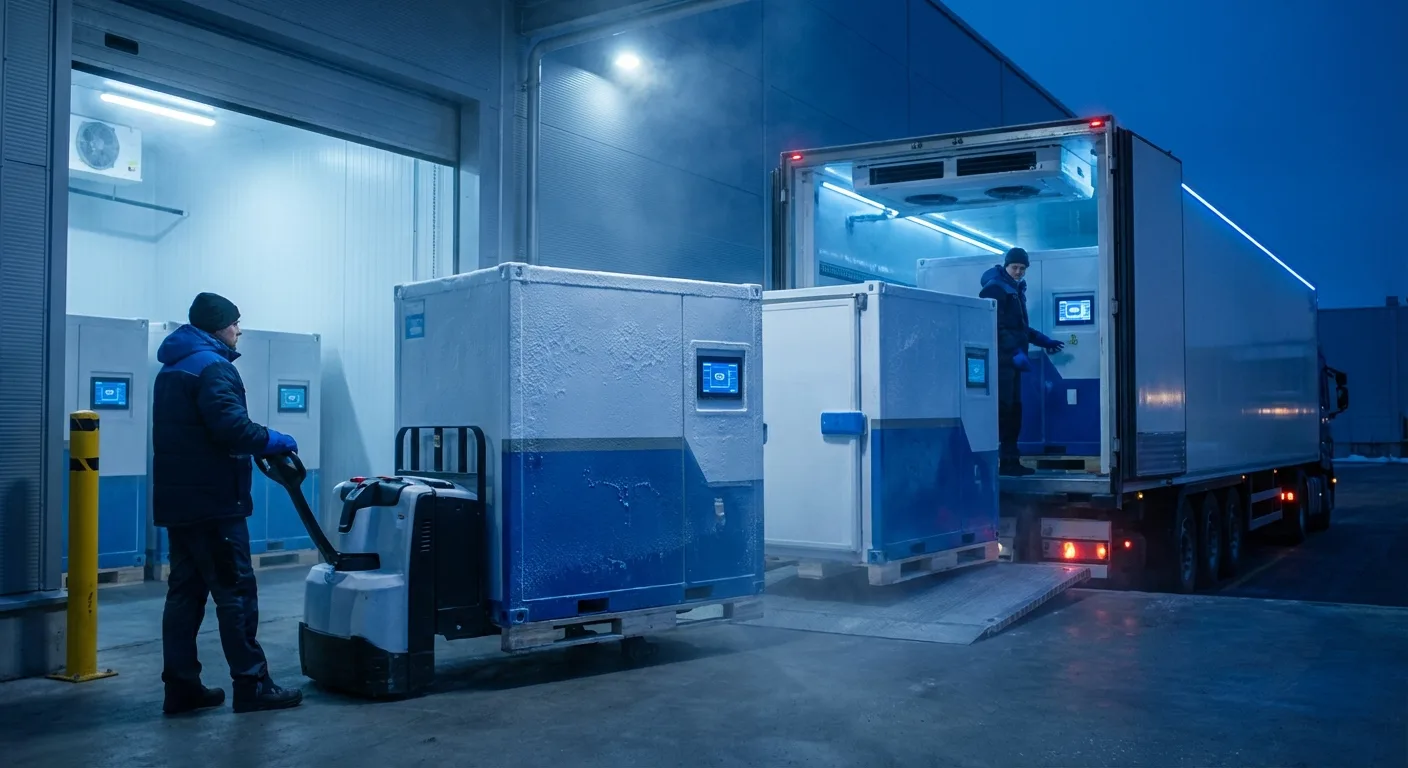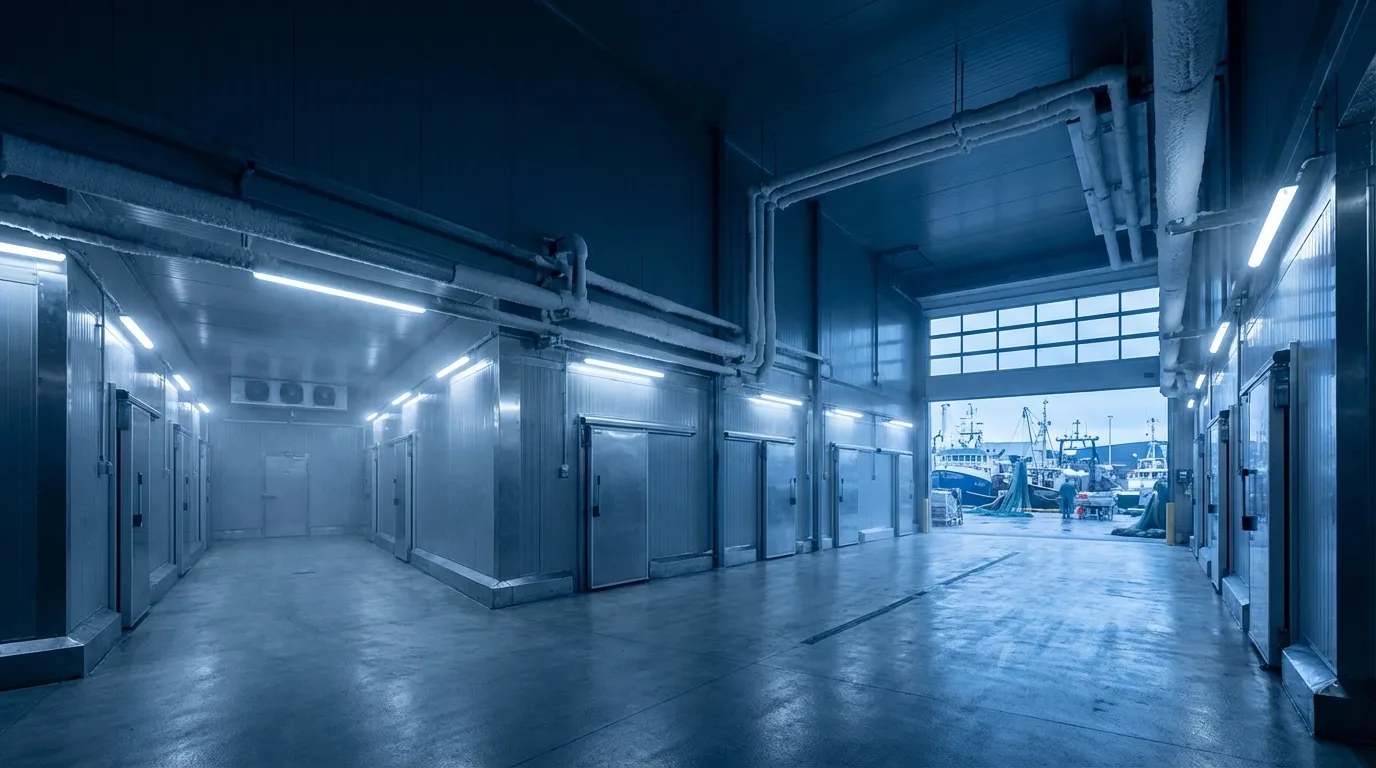
Taiwan is surrounded by the sea with abundant fishery resources. Cold storage facilities and ice-making plants operated by fishery associations across the country form the first line of defense in the catch preservation cold chain. However, many fishery association cold storage facilities were built in the 1980s and 1990s, and issues such as equipment aging, high energy consumption, and insufficient temperature control precision are increasingly apparent. Faced with continuous upgrades in food safety regulations and higher consumer expectations for catch freshness, the modernization of fishery association cold storage has become an urgent engineering challenge. This article systematically examines the core technical aspects of fishery association cold storage planning and design from a professional HVAC engineering consulting perspective.
1. The Role and Current State of Taiwan's Fishery Association Cold Storage
Under the Fisheries Act, fishery associations are public juridical persons tasked with promoting fishery technology, managing fishermen's welfare services, and operating fishery-related businesses[1]. Regional fishery associations generally maintain cold storage, ice-making plants, and fish markets as basic infrastructure, playing a crucial intermediary role in the cold chain from harbor unloading to consumer market entry. Revenue from fishery association credit departments has long been an important source of funding for maintaining cold storage operations.
Taiwan's fishery association cold storage facilities are distributed around fishing ports throughout the island, with storage capacities ranging from tens to hundreds of tons. Taking the Kaohsiung area as an example, with dense coastal fishing ports from Mituo, Yong'an, and Ziguan to Xiaogang and Qianzhen, each fishery association operates cold storage facilities of varying scales for rapid freezing and temporary storage of nearshore catches and aquaculture products. However, according to cumulative statistics from the Fisheries Agency's subsidy programs, a significant proportion of cold storage equipment in fishery associations nationwide has been in service for over twenty years, with some exceeding thirty years[2]. Common problems facing these aging facilities include:
- Compressor efficiency degradation: Reciprocating compressors that have operated for years suffer from piston ring wear, leading to decreased volumetric efficiency and significantly increased power consumption for equivalent refrigeration capacity
- Insulation deterioration: Early-era EPS (expanded polystyrene) or conventional polyurethane insulation has experienced significant thermal resistance reduction due to moisture absorption and aging seals over the years
- Refrigerant environmental concerns: Many older systems still use R-22 refrigerant. Under the Montreal Protocol and Taiwan EPA regulations, R-22 production has been banned since 2020, making maintenance supplies increasingly difficult and costly to obtain
- Insufficient temperature control precision: Traditional mechanical thermostats cannot provide accurate temperature records and anomaly alerts, hindering HACCP management system implementation
2. Temperature Requirements and Quality Standards for Fish Freezing
Fishery products, being rich in unsaturated fatty acids and having high water activity, are among the most perishable food categories. From the moment of capture to consumer purchase, temperature control at every stage directly affects catch freshness, safety, and economic value. The Codex Alimentarius Commission clearly states that fish and fishery products should be cooled to near 0°C as quickly as possible after capture, and frozen seafood core temperatures should reach -18°C or below[3].
Based on HACCP (Hazard Analysis and Critical Control Points) principles and ISO 22000 food safety management system[4] requirements, fishery association cold storage temperature management should meet the following benchmarks:
- Fresh fish temporary cold storage: 0°C to -2°C, covered with crushed ice for preservation, suitable for nearshore catches to be auctioned the same day
- General frozen storage: -18°C to -25°C, suitable for long-term storage of most frozen seafood products, complying with Taiwan's Regulations on Good Hygiene Practice for Food
- Ultra-low temperature freezing: -40°C to -60°C, for high-value sashimi-grade tuna, marlin, etc., requiring ultra-low temperatures to inhibit lipid oxidation and protein denaturation
Regarding freezing rates, quick freezing versus slow freezing have markedly different effects on catch quality. Quick freezing causes water within fish tissue to rapidly pass through the maximum ice crystal formation zone (-1°C to -5°C), forming small, uniform ice crystals that maintain meat quality and texture close to fresh fish after thawing. Slow freezing produces large ice crystals that damage cell structures, resulting in significant drip loss after thawing, severely affecting quality and market price[5]. Therefore, in modern fishery association cold storage planning and design, rapid freezing capability is one of the core performance indicators.
Different fish species have different optimal freezing conditions due to variations in body size, fat content, and muscle structure. For example, small nearshore fish (such as horse mackerel and hairtail) can have their core temperature brought to -18°C within 2 to 4 hours in a -30°C to -35°C blast freezing tunnel due to their small size. Large tuna, however, require -50°C to -60°C ultra-low temperature environments, and freezing time may exceed 24 hours[6].
3. Ice-Making Systems and Harbor Cold Chain
Ice-making is an indispensable component of harbor cold chain operations. Fishing vessels need to load large quantities of crushed ice before departure to maintain catch freshness, and continuous ice supply is also needed during the unloading auction and packaging process. The daily ice production capacity and ice type of fishery association ice-making plants directly affect harbor cold chain operational efficiency.
Common types of ice-making equipment found in fishing harbors include:
- Flake ice machines: Producing thin flake ice approximately 1.5 to 2.5 mm thick with large surface area and rapid cooling speed, providing good conformity to fish surfaces. This is the most commonly used ice-making type in fishing harbors. The subcooling effect of flake ice can bring fish surface temperatures below 0°C in a short time
- Tube ice machines: Producing hollow cylindrical ice with approximately 22 to 50 mm diameter. High hardness and slow melting make it suitable for long-distance transport and stacking storage. Some fishery associations use tube ice for fishing vessel sea-going supplies
- Block ice machines: Traditional salt-water immersion ice-making that produces large ice blocks, which are then crushed using ice crushers. Although unit energy consumption is lower, the long production cycle (typically 12 to 24 hours) and larger footprint requirements have led to their gradual replacement by flake ice or tube ice machines in new facilities
Ice-making system selection must consider the actual operational patterns and peak demand of the fishing harbor. For Taiwan's southwestern coastal nearshore harbors, the autumn-winter mullet season and winter shrimp season represent peak ice-making periods, with daily ice demand reaching 2 to 3 times normal levels. Therefore, ice-making system design capacity is typically based on peak demand, supplemented by ice storage facilities to balance supply and demand[7].
Regarding catch pre-cooling, the ASHRAE Handbook — Refrigeration recommends that fish should begin cooling within 1 hour of capture, and the ice-to-fish weight ratio should be maintained at least 1:1 to ensure fish core temperature can be reduced to near 0°C within a reasonable time[8]. For catches requiring temporary storage after auction, crushed ice coverage remains the most economical and effective short-term preservation method.
4. Cold Storage Design Essentials: From Load Calculation to Equipment Selection
The design of fishery association cold storage shares fundamental principles with general food cold storage, but certain engineering aspects require special attention due to the unique conditions of harbor operating environments.
Refrigeration Load Characteristics
Fishery association cold storage has notably different load characteristics compared to general logistics cold storage. Fish catches typically enter storage in large batches at high moisture content and near ambient temperature, causing product load to account for an extremely high proportion of total refrigeration load — as much as 50% to 70%[9]. By comparison, products in general logistics cold storage are mostly already frozen, resulting in a relatively lower product load proportion. This means fishery association compressor systems must have higher short-term peak refrigeration capacity to handle concentrated incoming freezing demands.
According to ASHRAE Handbook — Refrigeration Chapter 19, "Cooling and Freezing Times of Foods"[9], the latent heat of freezing for fish is approximately 225 to 250 kJ/kg (75% to 80% moisture content). Adding the sensible heat from incoming temperature to the freezing point, plus the sensible heat for continued cooling to -18°C or lower after freezing, the total heat removal per unit product is considerable. Accurate load calculation is key to avoiding either insufficient or oversized equipment capacity.
Evaporator Selection and Defrost Design
The high humidity of harbor environments (especially in southern Taiwan's coastal areas, where summer relative humidity often exceeds 80%) causes frost formation on cold storage evaporators at rates much higher than in typical inland cold storage facilities. Evaporator fin spacing selection should be particularly conservative — for -25°C fishery cold storage, a fin spacing of 10 to 12 mm is recommended rather than the common 6 to 8 mm used in general low-temperature storage, to delay frost blockage of airflow passages[10].
Defrost design is another important consideration for fishery association cold storage. High humidity environments lead to increased defrost frequency, and each defrost cycle causes storage temperature fluctuations and additional energy consumption. For medium to large fishery cold storage, hot gas defrost is recommended over traditional electric defrost, with advantages including faster defrost speed (typically completing in 15 to 20 minutes), less impact on storage temperature, and lower long-term energy costs. Combined with demand defrost control, using evaporator inlet/outlet air temperature differential or air pressure differential as defrost trigger conditions can further reduce unnecessary defrost cycles.
Refrigerant System Selection
Refrigerant selection for fishery association cold storage must balance safety, environmental regulations, and operational/maintenance costs. Currently, common refrigerant options for new or renovated fishery cold storage include: R-404A/R-507A (HFC series, currently mainstream but with high GWP values), R-448A/R-449A (HFO/HFC blends as medium-term R-404A replacements), and ammonia (R-717, with the best energy efficiency for large systems but requiring compliance with occupational safety regulations for toxic refrigerant management). For long-term planning, transcritical CO2 systems (R-744) demonstrate increasingly evident energy efficiency advantages in low-temperature applications, and some advanced fishing nations have begun introducing them in harbor cold storage facilities.
5. Special Considerations for Agricultural Product Cold Storage
In addition to fishery associations, cold storage facilities operated by farmers' associations also face modernization upgrade needs. Agricultural product cold storage has fundamental engineering design differences from fish freezing, requiring special attention to the following aspects.
Importance of Post-Harvest Pre-Cooling
Fruits and vegetables continue respiration after harvest, producing heat of respiration. Respiration rate accelerates with rising temperature; without timely pre-cooling, aging, moisture loss, and nutritional degradation are accelerated. ASHRAE Handbook — Refrigeration Chapter 21 provides respiration heat data for various produce at different temperatures[11]. For example, leafy vegetables at 20°C can have 5 to 8 times the respiration heat compared to 0°C. Pre-cooling methods vary by product characteristics: forced-air cooling, hydrocooling, and vacuum cooling, with forced-air cooling being the most commonly adopted in farmers' association cold storage due to its simple equipment and wide applicability.
Ethylene Management and Mixed Storage Restrictions
Certain fruits (such as mangoes, bananas, papayas, and other tropical fruits) release ethylene during the ripening process, which has a senescence-accelerating and ripening effect on leafy vegetables and flowers. Therefore, farmers' association cold storage space planning must avoid storing ethylene-producing fruits with ethylene-sensitive vegetables. Engineering solutions include separate cold storage rooms, installation of ethylene adsorption devices, or introduction of fresh air ventilation to reduce ethylene concentration[12].
Precise Temperature and Humidity Control
Different agricultural products have vastly different optimal storage conditions: leafy vegetables require 0°C to 2°C with relative humidity above 95%, root vegetables can be stored at 10°C to 13°C, and tropical fruits require 10°C to 15°C to avoid chilling injury. If farmers' association cold storage needs to store multiple product types, separate cold storage rooms with different temperature ranges should be planned rather than using a single temperature for all products. Evaporator design must also consider high humidity requirements — the temperature difference (TD) between fin temperature and storage temperature should be controlled within 4°C to 6°C to minimize excessive moisture condensation from the air and maintain a high-humidity storage environment.
6. Upgrade Strategies for Aging Cold Storage Facilities
Many fishery association cold storage facilities in Taiwan were built in the 1980s or earlier, with cases exceeding thirty years of service not being uncommon. The renovation and improvement of these aging facilities is one of the most common engineering consulting types faced by HVAC engineering offices. In practice, renovation and improvement can be categorized into several levels based on scope and budget:
Level 1: Core Equipment Replacement
Targeting the replacement of core refrigeration equipment including compressors, evaporators, and condensers. This is the improvement strategy with the highest return on investment — replacing old reciprocating compressors with high-efficiency screw compressors, for example, typically reduces power consumption by 20% to 35% at equivalent refrigeration capacity. This also completes the regulatory requirement of transitioning from R-22 to environmentally compliant refrigerants. When replacing evaporators, fin spacing, airflow, and throw distance configurations should be simultaneously optimized to improve storage temperature uniformity.
Level 2: Insulation Upgrade
Deterioration of insulation in aging cold storage is a major cause of increased energy consumption. Common improvement methods include: installing polyurethane (PUR/PIR) insulation panels on existing interior walls, or filling insulation deficiencies with on-site sprayed polyurethane foam. Door seal replacement, door strip curtain installation, and infiltration load control are equally important. For cases where floor insulation has severely deteriorated, floor reconstruction may be necessary, along with installation of anti-frost heating systems to prevent frost heave.
Level 3: Automation and Smart Monitoring
Installing digital temperature recorders, anomaly temperature alarm systems, and remote monitoring platforms is an essential investment for meeting HACCP management requirements. Modern monitoring systems can integrate parameters such as temperature, pressure, current, and defrost status, providing real-time equipment operational monitoring and historical trend analysis, helping management implement preventive maintenance and reduce the risk of unexpected equipment failures. For fishery associations with limited staffing, remote monitoring can also significantly reduce the burden of nighttime and holiday personnel inspections.
Level 4: Complete System Reconstruction
When existing facility structures have severely deteriorated, or when cold storage capacity and functional configuration can no longer meet current requirements, complete reconstruction may be the more cost-effective option. Reconstruction projects can comprehensively optimize space planning, traffic flow, equipment selection, insulation design, and automation systems in a single phase, avoiding system mismatch issues caused by piecemeal improvements.
7. Government Subsidies and Procurement Procedures
In addition to self-funding by fishery associations, government subsidies are an important funding source for cold storage construction and improvement. The Fisheries Agency of the Ministry of Agriculture (formerly under the Council of Agriculture) allocates annual subsidies for fishing port construction and fishery public infrastructure, covering items such as cold storage construction, ice-making equipment upgrades, and fish market cold chain facility improvements[13]. Farmers' associations can apply for cold storage and pre-cooling facility construction funding through the Agriculture and Food Agency's agricultural product marketing facility subsidy programs.
Regarding procurement procedures, although fishery associations are public juridical persons rather than government agencies, under Article 4 of the Government Procurement Act, entities receiving government subsidies above the published threshold (currently NT$1 million) where the subsidy amount exceeds half the procurement amount must conduct procurement in accordance with the Government Procurement Act[14]. In practice, fishery cold storage projects generally fall under the engineering procurement category, with common tendering methods including:
- Open tendering: The legally prescribed standard tendering method when procurement amounts reach the published threshold, publicly posted on the Government e-Procurement System
- Restricted tendering: Under conditions specified in Article 22 of the Government Procurement Act (such as specialized, artistic, or technically unique projects), restricted tendering may be adopted with approval from the superior authority
- Open solicitation of quotations or proposals: Applicable when procurement amounts are below the published threshold but exceed one-tenth of it
For HVAC engineering offices, their role in fishery cold storage projects typically encompasses feasibility assessment, planning and design, cost estimation, preparation of tender documents (including technical specifications), construction supervision, and acceptance testing. The preparation of technical specifications is particularly critical — specifications that are too lenient may lead to contractor corner-cutting, while specifications that are too stringent may limit competition or increase unnecessary costs. Quality technical specifications should be centered on performance specifications, clearly defining key performance indicators such as refrigeration capacity, temperature uniformity, energy consumption metrics, and noise limits, while maintaining reasonable flexibility in equipment brands and system architecture.
Conclusion
Fishery association cold storage engineering is a professional domain that combines technical depth with practical complexity in the HVAC field. From rapid fish freezing and ice-making system planning to precise temperature and humidity control for agricultural product storage; from core equipment selection and load calculation to systematic upgrade strategies for aging facilities; from HACCP and ISO 22000 food safety regulatory compliance to Government Procurement Act procedural requirements — every aspect demands that HVAC engineers possess a solid thermodynamic foundation, extensive field experience, and deep understanding of agricultural and fishery industry characteristics. The modernization of Taiwan's fishery cold chain requires precisely this kind of cross-disciplinary, comprehensive engineering expertise to drive progress.